




Waking up with knee pain despite resting all night can be frustrating and concerning. Many people notice that their knee pain worsens specifically when they sleep on their side, even if they feel relatively comfortable during the day. This type of night-time discomfort is more common than most realise and is often linked to joint pressure, alignment issues, or underlying orthopedic conditions.
Understanding why side sleeping can trigger knee pain is the first step towards effective relief. In most cases, early identification and simple adjustments can significantly reduce discomfort and prevent long-term joint problems.
What Causes Knee Pain While Sleeping on Your Side?
When you sleep on your side, your knees bear direct pressure from body weight and gravity. If the joint is already sensitive due to wear and tear, inflammation, or muscle imbalance, this position can worsen pain.
Side sleeping may also affect hip, spine, and knee alignment, placing uneven stress on the knee joint. Over time, this can irritate ligaments, cartilage, and surrounding soft tissues, leading to stiffness and pain, especially at night when the body is still.
“Night-time knee pain is often an early warning sign of joint stress or alignment issues. Addressing it early with the right guidance can prevent long-term damage and improve sleep quality.”
– Dr. Veeresh Patage, a leading Orthopedic Specialist in Akshayanagar, Bangalore
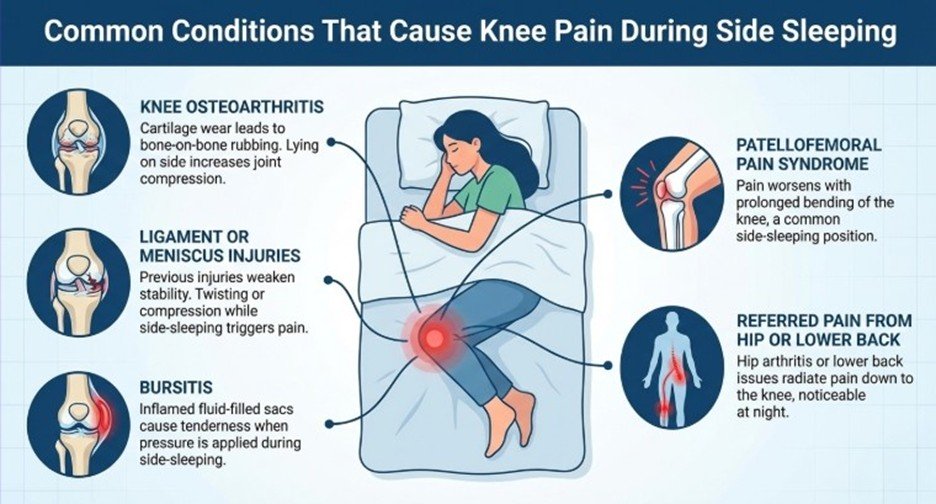
Common Conditions Linked to Side-Sleeping Knee Pain
Knee Osteoarthritis
Ligament or Meniscus Injuries
Bursitis
Patellofemoral Pain Syndrome
Referred Pain from the Hip or Lower Back
Why Side Sleeping Can Worsen Knee Pain
Increased pressure between the knees, especially if one knee rests directly on the other
Poor joint alignment, where the upper leg pulls the knee inward
Muscle imbalance, particularly in the hips and thighs
Reduced blood circulation, making pain more noticeable at rest
Symptoms You Should Not Ignore
Knee pain that wakes you up at night
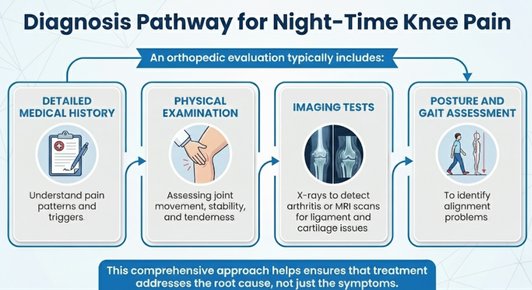
How Is Night-Time Knee Pain Diagnosed?
Detailed medical history to understand pain patterns and triggers
Physical examination assessing joint movement, stability, and tenderness
Imaging tests, such as X-rays to detect arthritis or MRI scans for ligament and cartilage issues
Posture and gait assessment to identify alignment problems
Non-Surgical Ways to Relieve Knee Pain While Sleeping
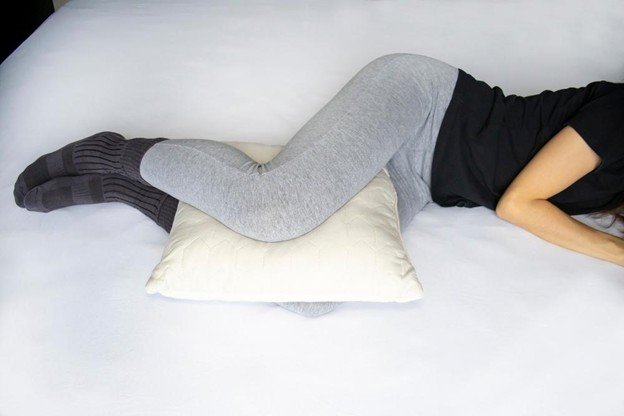
Correct Sleeping Position
Supportive Mattress and Pillow
Stretching and Strengthening Exercises
Heat or Cold Therapy
Medications (When Required)
When Is Medical or Surgical Treatment Needed?
Injection therapies, such as corticosteroids or viscosupplementation
Advanced physiotherapy programmes
Surgical treatment, considered only when structural damage significantly affects quality of life
Early treatment often helps patients avoid surgery altogether.
“Knee pain should never be accepted as ‘normal ageing.’ With proper diagnosis, posture correction, and timely treatment, most patients can achieve pain-free sleep and better mobility.”
Dr. Veeresh Patage
Best Sleeping Tips for Long-Term Knee Pain Relief
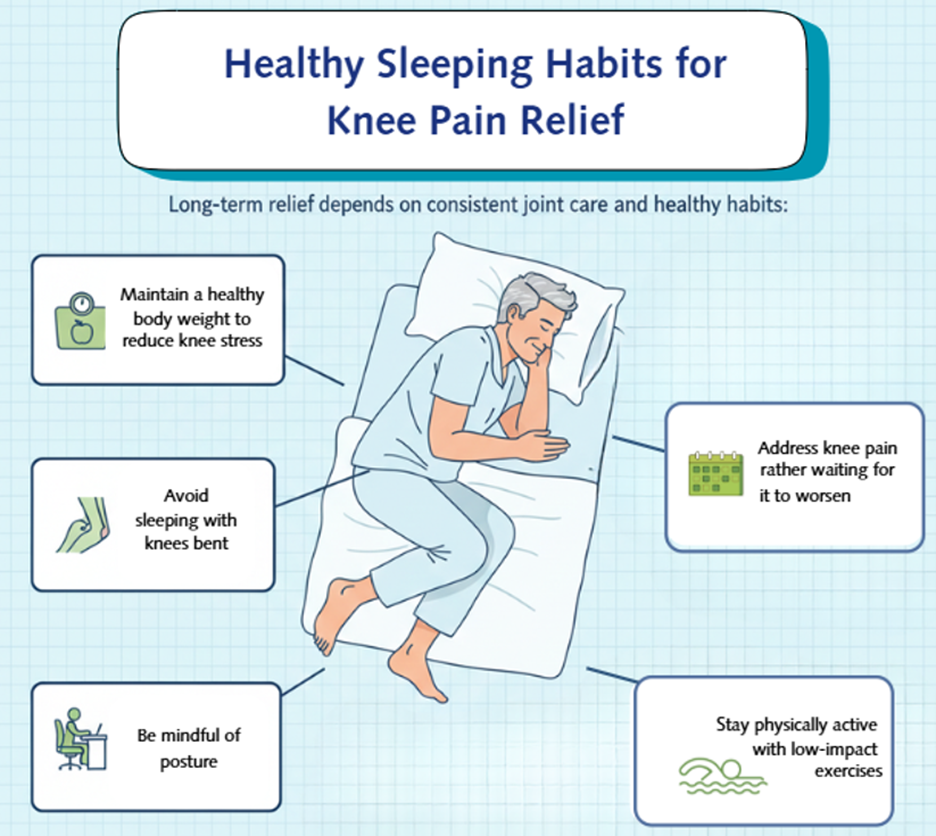
Long-term relief depends on consistent joint care and healthy habits:
1) Maintain a healthy body weight to reduce knee stress
2) Avoid sleeping with knees tightly bent
3) Stay physically active with low-impact exercises like walking or swimming
4) Follow ergonomic practices during the day
5) Address knee pain early rather than waiting for it to worsen
Conclusion
Knee pain while sleeping on your side is common, but it should not be ignored. In many cases, the discomfort is linked to joint pressure, alignment issues, or early orthopedic conditions that respond well to timely treatment. Simple changes such as proper sleeping posture, exercise, and early medical evaluation can significantly improve sleep quality and joint health.
If knee pain continues to disturb your sleep or daily life, consulting an experienced orthopedic specialist can help identify the cause and provide personalised treatment for lasting relief.