



For many seniors, chronic hip pain is often dismissed as an inevitable part of aging. However, when conservative treatments fail, surgery becomes a viable path to reclaiming independence. If you are considering this procedure, consulting a skilled Orthopedic Surgeon in Akshayanagar, Bangalore, can help you understand how modern medical advancements have made this surgery safer than ever for the elderly.
Dr. Veeresh Patage emphasizes that age is merely a number when it comes to surgical eligibility. The focus today is on “biological age” and overall health rather than chronological years, ensuring that patients in their 70s and 80s can achieve excellent outcomes.
CTA: Struggling with hip pain after 70? Don’t wait to regain your mobility. Book a consultation with Dr. Veeresh Patage, Orthopedic Surgeon in Akshayanagar, Bangalore, today and explore safe, advanced treatment options.
Is Hip Replacement Safe After 70 Years Old?
Yes, hip replacement is considered highly safe for patients over 70. While any surgery carries risks, the protocols for geriatric anesthesia and minimally invasive techniques have significantly reduced complications. Pre-operative screening ensures that the patient’s heart, lungs, and metabolic health are optimized before entering the operating room.
The key factor is not just age but the patient’s overall health condition. Doctors evaluate heart health, bone quality, diabetes control, and other medical factors before recommending surgery. With proper pre-operative assessment and rehabilitation, elderly patients can achieve excellent outcomes.
Quote from Dr. Veeresh Patage: > “Age alone should never be the reason to avoid hip replacement. When carefully evaluated and performed using modern
techniques, hip replacement after 70 can significantly improve quality of life and mobility.”
Success Rate of Hip Replacement in the Elderly
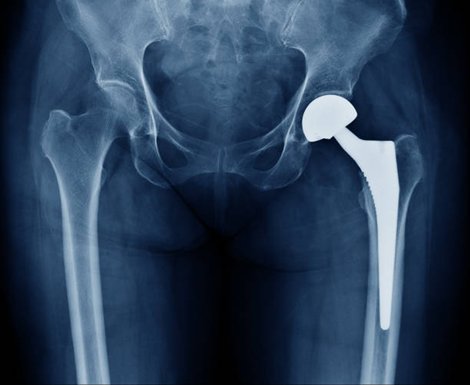
Hip replacement is one of the most successful orthopedic procedures worldwide. Studies show that the success rate ranges between 90–95%, even in elderly patients.
Several factors contribute to the high success rate:
- Advances in minimally invasive surgical techniques
- Improved prosthetic implant designs
- Better infection control and anesthesia safety
- Structured post-surgery rehabilitation programs
Most patients experience significant pain relief and improved mobility within a few months of surgery. Many hip implants also last 15–20 years or longer, making the procedure highly effective even later in life.
Benefits of Hip Replacement After 70 Years
Undergoing a hip replacement in your 70s offers transformative benefits that go beyond just “fixing a joint”:
- 1. Significant Pain Relief: Chronic hip pain caused by arthritis or joint damage is reduced or completely eliminated.
- 2. Improved Mobility: Patients can walk, climb stairs, and perform daily activities more comfortably.
- 3. Better Independence: Restored joint function allows elderly patients to maintain independence and avoid long-term reliance on support.
- 4. Enhanced Quality of Life: Better mobility leads to improved sleep, mental health, and overall well-being.
- 5. Reduced Risk of Falls: Stabilizing the hip joint improves balance and walking ability.
Potential Complications
While the procedure is successful for the majority, it is important to be aware of potential risks, which include:
- Infection: Managed through sterile environments and antibiotics.
- Blood Clots (DVT): Prevented with blood thinners and early movement.
- Dislocation: Minimized by following post-operative movement guidelines.
- Prosthetic Wear: Rarely an issue with modern ceramic or highly cross-linked polyethylene materials.
Quote from Dr. Veeresh Patage: > “Complications are rare when the surgery is performed by an experienced team. We use a personalized approach to manage comorbidities like diabetes or hypertension to ensure the smoothest possible recovery.”
Recovery and Aftercare
Recovery for seniors is a structured process focused on safety and gradual strengthening:
- Hospital Stay: Usually 2 to 4 days.
- Physical Therapy: Starts almost immediately. Exercises focus on hip stability and walking balance.
- Home Modifications: Using elevated toilet seats, removing rugs (to prevent trips), and using a walker for the first few weeks.
- Timeline: Most patients return to light activities within 6 weeks and full activity within 3–6 months.

Conclusion
Hip replacement after 70 years can be a life-changing procedure for elderly individuals suffering from severe hip pain and mobility limitations. With modern surgical techniques and proper medical evaluation, age alone should not prevent someone from benefiting from joint replacement surgery.
Under the care of experienced specialists like Dr. Veeresh Patage, elderly patients can achieve excellent outcomes, improved mobility, and a significantly better quality of life.
CTA:Still unsure if hip replacement is right for you or your loved one? Talk to an experienced orthopedic surgeon in Akshayanagar, Bangalore today and get expert guidance tailored to your health condition.
Frequently Asked Questions
1. Am I too old for hip replacement surgery?
No. There is no upper age limit for hip replacement. As long as your general health (heart and lungs) allows for anesthesia, you can undergo the procedure successfully.
2. How long does the surgery take?
Typically, the procedure takes between 60 to 90 minutes. However, the total time in the operating suite may be longer due to prep and anesthesia.
3. Will I be able to walk without a walker after surgery?
Most patients use a walker or cane for the first 2 to 4 weeks to ensure balance. Once your muscles strengthen and your balance improves, you can transition to walking unaided.
4. How painful is recovery after hip replacement?
Pain is usually manageable with medications and improves gradually within the first few weeks. Most patients notice significant pain relief compared to their pre-surgery condition.