



Introduction: Understanding Chronic Knee Pain and Mobility Loss
Knee pain is a frequent concern that affects millions of adults worldwide. While mild discomfort from temporary overuse or minor athletic strains often settles with rest and physical therapy, persistent joint stiffness and grinding pain can signal severe knee arthritis symptoms. Osteoarthritis, the most common form of degenerative joint disease, gradually erodes the smooth cartilage buffering your knee joint. As this protective cartilage wears down, bones rub directly against each other, causing chronic inflammation, bone spur formation, reduced flexibility, and significant impairment in daily mobility.
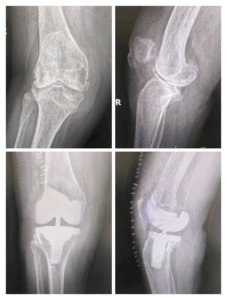
Knee Replacement in Akshayanagar
For many individuals living in South Bangalore, managing daily joint discomfort becomes an ongoing struggle. Many patients frequently ask: How long can you wait before knee replacement? Is knee replacement necessary for severe arthritis? Recognizing the early warning signs of end-stage joint wear is essential to preserving your physical independence and preventing irreversible joint degradation.
Whether you are managing chronic morning stiffness or finding that your knee pain is not improving with treatment, understanding key surgical indicators helps you make informed medical decisions. Early consultation with an experienced knee replacement doctor in Bangalore allows you to explore modern non-surgical and minimally invasive surgical options tailored to your lifestyle.
10 Clear Warning Signs It Is Time to Consider Knee Replacement Surgery
1. Severe Difficulty Walking Due to Knee Pain
When simple mobility tasks become major daily hurdles, joint wear is often far advanced. Experiencing difficulty walking due to knee pain such as struggling to walk short distances, step off curbs, navigate uneven pavements, or walk across a room indicates significant loss of cartilage buffering. When walking causes sharp, catching, or severe deep aches, consulting a knee replacement specialist in Bilekahalli or nearby areas helps assess whether surgical realignment is needed.
2. Chronic Pain That Does Not Improve with Non-Surgical Treatments
Standard non-surgical treatments for knee arthritis include oral anti-inflammatory medications (NSAIDs), physical therapy, weight management, hyaluronic acid visco-supplementation, and targeted intra-articular corticosteroid injections. However, if you find your knee pain is not improving with treatment despite months of consistent conservative care, cartilage destruction has likely reached an irreversible stage.
3. Persistent Resting Pain and Nighttime Discomfort
In the initial stages of joint arthritis, pain typically occurs only during weight-bearing activities. However, as joint degradation worsens, synovial inflammation becomes constant. Experiencing deep aching while sitting, relaxing, watching television, or lying in bed especially pain that disrupts your sleep is a primary clinical indicator of end-stage joint disease.
4. Severe Joint Stiffness and Reduced Range of Motion
Do you struggle to fully straighten your leg or bend your knee past a 90-degree angle? Severe stiffness that prevents you from squatting, sitting comfortably on the floor, getting out of low seats, or climbing stairs indicates joint capsule contracture and bone spur development.
5. Visible Knee Deformity (Bowing Inward or Outward)
As joint cartilage wears unevenly across the medial (inner) or lateral (outer) compartments, the knee’s anatomical alignment shifts. This creates a bow-legged (varus) or knock-kneed (valgus) structural appearance. Structural bowing places severe abnormal mechanical stress on adjacent joints, including the hips and lumbar spine.
6. Constant Joint Swelling and Chronic Inflammation
Chronic fluid buildup within the knee joint capsule occurs as the synovium reacts to friction from raw bone-on-bone contact. If your knee joint remains persistently swollen, warm to the touch, and inflamed despite rest, elevation, and anti-inflammatory medications, significant internal joint damage is present.
7. Grating, Popping, or Crepitus Sounds During Movement
Audible clicking, grinding, or popping sensations (crepitus) during knee flexion and extension indicate that smooth articular cartilage has been replaced by rough, exposed bone surfaces. While painless popping can be harmless, grinding accompanied by sharp pain signals advanced structural wear.
8. Sudden Instability or “Giving Way” of the Knee
When the knee joint feels unstable, buckles unexpectedly, or gives out under your body weight, joint structure and supporting ligaments are compromised. This mechanical instability significantly increases the risk of sudden, dangerous falls.
9. Inability to Perform Daily Living Activities
When knee joint degradation prevents you from performing essential daily tasks—such as grocery shopping, bathing, getting out of a chair, or climbing apartment stairs your personal independence is compromised. Sustained mobility loss also increases the risk of secondary health issues, including weight gain and cardiovascular decline.
10. Emotional Exhaustion and Diminished Quality of Life
Living with chronic joint pain takes a heavy toll on mental and emotional well-being. Avoiding social outings, family gatherings, or travel due to fear of knee pain leads to isolation and reduced life satisfaction. Restoring joint function brings back freedom of movement and emotional well-being.
CLINICAL TIMELINE ADVICE:
How long can you wait before knee replacement? While deferring surgery is possible through temporary conservative treatments, waiting too long with end-stage arthritis can cause muscle atrophy, ligament contracture, and complex bone wear. Timely intervention ensures superior surgical outcomes and faster recovery.
Is Knee Replacement Necessary for Severe Arthritis?
A common question among orthopedic patients is: Is knee replacement necessary for severe arthritis? The answer depends on your clinical diagnosis, radiological staging, and overall functional impairment.
Medical specialists evaluate arthritis severity using standing digital X-rays to assess joint space narrowing. When X-rays confirm Grade 4 Osteoarthritis where cartilage is completely worn away and bone-on-bone friction is evident conservative measures offer limited benefit. At this stage, total or partial knee joint replacement is the definitive treatment to eliminate pain and restore anatomical function.
If you are seeking expert evaluation, consulting a qualified knee replacement surgeon in Akshayanagar or a knee replacement doctor in Bannerghatta Road provides clarity on whether non-surgical or surgical care is best suited for your condition.
Advancements in Joint Surgery: Robotic Knee Replacement in Bangalore
Orthopedic surgery has advanced significantly over the past decade. Modern computer-guided and robotic-assisted surgical systems allow specialists to perform joint replacements with unprecedented precision.
Key advantages of consulting a robotic knee replacement surgeon in Hulimavu or utilizing robotic knee replacement in Bangalore include:
-
Sub-Millimeter Anatomical Accuracy: Robotic systems create a customized 3D computer model of your unique joint anatomy before making any incisions.
-
Soft Tissue Preservation: Haptic feedback technology prevents accidental soft tissue damage, preserving collateral ligaments and crucial surrounding structures.
-
Faster Rehabilitation: Precision bone cuts lead to reduced post-operative pain, lower blood loss, and a faster return to walking without support.
-
Optimal Long-Term Outcomes: Accurate implant alignment ensures balanced weight distribution, extending modern implant longevity up to 20–25 years.
Patients exploring advanced knee replacement surgery in Arekere or searching for the best knee replacement surgeon in Electronic City can now access state-of-the-art robotic systems right in their neighborhood.
Expert Orthopedic Care Across South Bangalore Neighborhoods
Accessing quality medical care close to home simplifies pre-operative assessments, hospital visits, and post-operative physical therapy. Modern orthopedic facilities across South Bangalore provide specialized knee arthritis treatment in Bangalore:
-
Bannerghatta Road Corridor: Leading multi-specialty hospitals along Bannerghatta Road offer comprehensive joint replacement programs, advanced digital imaging, and specialized physical therapy centers.
-
Electronic City & Surroundings: Residents near Electronic City have access to highly experienced joint replacement surgeons and fast-track rehabilitation options.
-
Akshayanagar, Bilekahalli, Hulimavu & Arekere: Patients across these neighborhoods can consult skilled orthopedic specialists close to home for diagnostic evaluations, non-surgical joint management, and robotic surgery options.
Frequently Asked Questions About Knee Replacement
Q1: How long can you wait before knee replacement surgery?
You can defer knee replacement as long as non-surgical treatments effectively manage your pain and your joint deformity does not progress to severe bone loss. However, delaying too long when severe knee arthritis symptoms are present can lead to muscle atrophy and reduced surgical success.
Q2: Is knee replacement necessary for severe arthritis?
Yes, when Grade 4 osteoarthritis leads to complete cartilage loss (“bone-on-bone” friction) and non-surgical therapies no longer relieve pain or restore mobility, knee replacement surgery becomes medically necessary to restore function.
Q3: What are the primary signs that knee pain is not improving with treatment?
Key indicators include persistent pain despite medication, inability to walk short distances, pain interrupting sleep, night pain, visible joint deformity, and increasing stiffness that restricts daily activities.
Q4: Why am I experiencing severe difficulty walking due to knee pain?
Severe walking difficulty usually occurs when joint cartilage wears away, causing raw bone surfaces to rub against each other, leading to sharp pain, joint instability, and restricted range of motion.
Q5: What are the main severe knee arthritis symptoms?
Major symptoms include chronic joint stiffness, swelling, cracking/grating sensations (crepitus), dynamic bow-legged or knock-kneed bowing, difficulty climbing stairs, and chronic resting pain.
Q6: How long does recovery take after knee replacement surgery?
Most patients walk with support within 24 hours after surgery. Full recovery for daily household activities typically takes 6 to 8 weeks, while full athletic recovery takes 3 to 6 months with structured physical therapy.
Q7: What is the lifespan of a modern knee replacement implant?
With modern highly cross-linked polyethylene and titanium implants, over 90% to 95% of knee replacements last between 20 to 25 years.
Q8: How does robotic knee replacement in Bangalore differ from conventional surgery?
Robotic surgery uses computer-guided haptic feedback and customized 3D models to assist the surgeon, leading to greater alignment accuracy, smaller incisions, less blood loss, and natural-feeling joint motion.
Conclusion: Take the First Step Toward Pain-Free Living
Ignoring severe knee arthritis symptoms will not stop joint degeneration. If difficulty walking due to knee pain is limiting your lifestyle and non-surgical therapies no longer provide relief, it is time to consult an orthopedic specialist.
Modern joint replacement procedures including advanced robotic knee replacement in Bangalore offer high success rates, minimal recovery times, and long-lasting relief. Schedule a consultation with a knee replacement doctor in Bangalore today to explore your options and regain pain-free mobility.